· ai-devtools
Token agent construction revealed security gaps in AI agent design
An agent we constructed managed to violate every one of our established security protocols, providing us with invaluable insights into how such systems ought to be safeguarded.
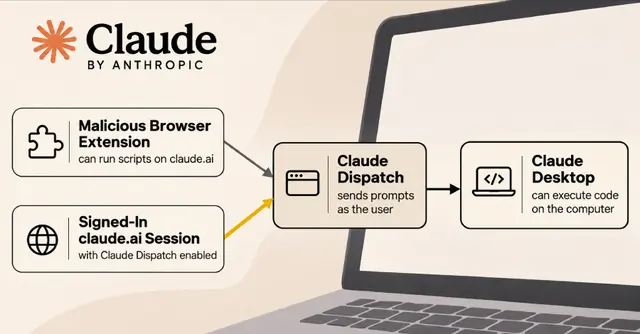
Our company, Token, adheres to a set of three core principles when advising clients on securing AI agents: these agents must possess distinct identities, their permissions must be strictly limited to what their assigned task requires, and their actions must maintain a record separate from any individual human operator. Despite these firm guidelines, we subsequently created an agent that, inherently, failed to meet all three of these requirements. This practical failure spurred a deep examination of the necessary defenses for these kinds of automated entities, particularly when a browser agent operates within a user's authenticated session.
Why it matters
This experience provides developers with critical, real-world insights into the inherent security risks of AI agents. Understanding these failures is essential for building robust and safe tooling in the AI development lifecycle.