AI dev tools
next.js 16.5.0-canary.50 released
next.js 16.5.0-canary.50 released: Enable turbopackMinifyBeforeChunking by default on canary releases; Turbopack: write smaller/faster client reference manifests.
next.js 16.5.0-canary.50 released: Enable turbopackMinifyBeforeChunking by default on canary releases; Turbopack: write smaller/faster client reference manifests.
4 of the latest
Anthropic has unveiled a self-hosted version of its platform for building and running AI agents.
4 of the latest
I was googling the name of my website, as one does occasionally, and was surprised to see a link to one of my blog posts on mataroa.site.
Attackers have incorporated sophisticated analysis of the data they pilfer to the capabilities of the ArcticRAT cybercrime group, which is deploying an Android malware.
We introduced Kitesurf, our stateless browser for AI agents that runs entirely on top of Workers, in August and followed up in September with WebMCP support, new APIs, and improved compatibility.
Over the last month, the number of Large Language Model (LLM) penetration testing and orchestration frameworks has exploded.
A test can pass while confirming the wrong behavior.
A growing queue of AI-generated pull requests does not, by itself, tell a team why software is taking too long to reach production.
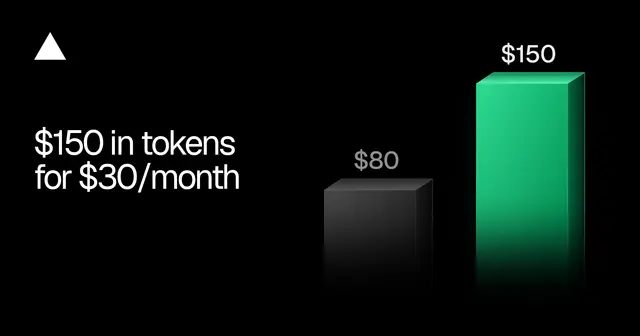
Vercel Token Pass now includes $150 of tokens per month (up from $80) for the same $30 per team per month.
AI models are getting smarter, tokens are getting cheaper, and agents are improving.
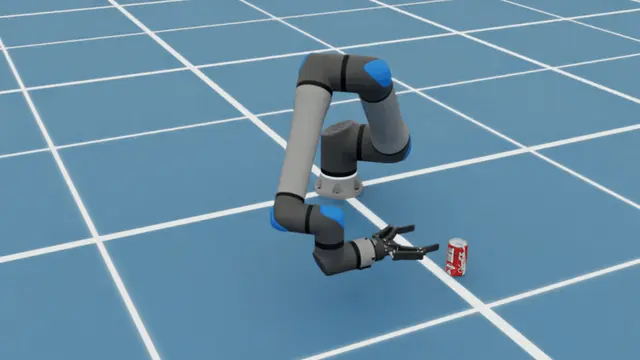
A simulation of a robot performing a pick-and-place task can now be constructed utilizing assets from SimReady, as detailed in a recent blog post from NVIDIA on Hugging Face.
DeepSeek's open-source coding agent is losing points on a major benchmark for a habit developers usually treat as good practice: cleaning up after itself.
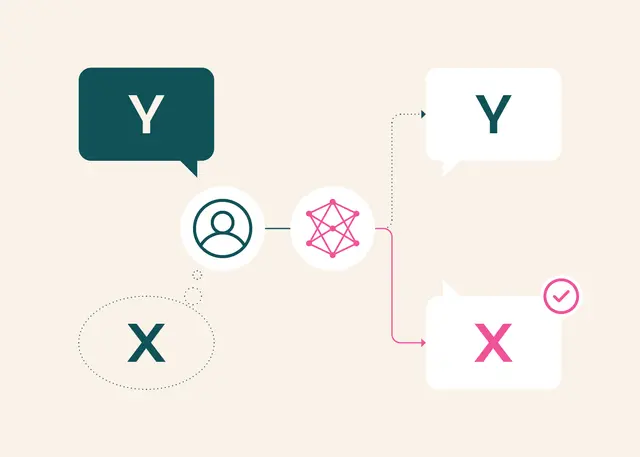
The challenge lurking behind a particular question is being addressed by XYBench, as detailed in a blog post from Ai2 on Hugging Face.