· ai-devtools
Bell Canada confirms agentic hacker stole enterprise customer data on November 17 2026
Information such as names, job titles, corporate email addresses, phone numbers, and business addresses belonging to an organization may have been compromised following a security breach at Bell…
Information such as names, job titles, corporate email addresses, phone numbers, and business addresses belonging to an organization may have been compromised following a security breach at Bell Canada.
Bell Canada has confirmed that on November 17, 2026, an entity described as an "agentic" threat actor managed to penetrate its infrastructure, resulting in the theft of data pertaining to enterprise clientele, which included details from a platform used for arranging and supplying telecommunications circuits.
The telecommunications giant, one of Canada's most substantial providers, furnishes services encompassing internet, wireless connectivity, television, and enterprise networking. BleepingComputer first became aware of this event after a customer provided a tip, forwarding a breach notification issued by Bell's Information Security Team.
This notification detailed that an unauthorized party gained access to a pre-production setting within Bell's Maximo system, which the corporation employs for managing the ordering and provisioning of telecommunications network connections. Bell issued a warning that data belonging to the recipient's business might have been taken, specifically mentioning business contact details.
Furthermore, the potentially exposed information encompassed details found in ticket titles and certain IP addresses linked to network components or systems, alongside some supplementary contextual data. Nevertheless, Bell specified that the data set that was affected did not contain credentials, highly sensitive personal records, PDF documents, file attachments, or other supplementary materials housed within Maximo.
When journalists from BleepingComputer reached out, Bell verified the intrusion, stating that an "agentic threat actor" had gained entry to several systems and subsequently stolen enterprise customer data. In communication with BleepingComputer, Bell stated, "Bell is investigating a cybersecurity incident that occurred on November 17 in which an agentic threat actor accessed some of our systems, including a system used for ordering and provisioning circuits, and exfiltrated some enterprise customer data." They further assured, "Upon learning of the breach, we immediately contained the incident and secured our systems. There has been no impact to customer services."
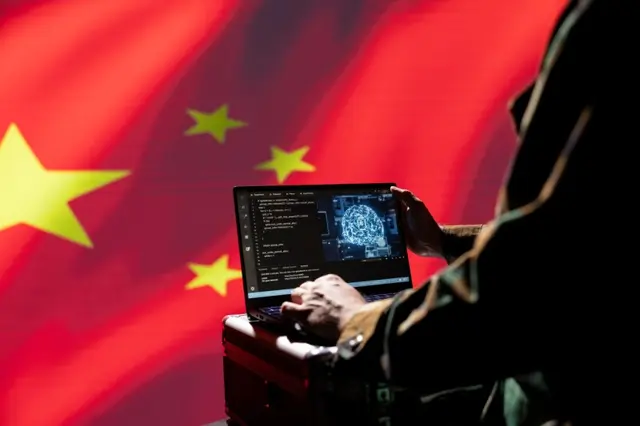
The company's designation of the intruder as "agentic" strongly implies the utilization of artificial intelligence-driven instruments during the security compromise. Bell announced its intention to share indicators of compromise (IOCs) and threat-hunting intelligence with both enterprise customers and the Canadian Centre for Cyber Security (CCCS). However, Bell has refrained from making these indicators public and has not complied with BleepingComputer's request to distribute them so that other entities can examine their own environments for similar activity.
Regarding the identity of the attacker, Bell informed BleepingComputer that they have not yet been able to pinpoint the responsible threat actor. "We currently do not know the attribution," Bell commented.
The scope of the damage remains partially undisclosed, as Bell has not revealed the precise number of enterprise customers affected nor the total volume of data that was stolen. In its communication to customers, Bell strongly advised organizations to maintain vigilance against unsolicited communications and social engineering efforts perpetrated by individuals falsely claiming to represent the telecommunications provider.
Why it matters
This incident highlights the growing risk posed by sophisticated, AI-powered threat actors targeting enterprise infrastructure. Developers and security professionals should monitor how organizations are responding to breaches involving "agentic" attack methods. The lack of public Indicators of Compromise means vigilance remains critical for all connected systems.